
.png)
Building Behold: from design leader to nature tech founder
An interview with Pete Lacey, co-founder at Behold
We speak to Pete Lacey, former VP of Design at Pleo with an impressive career in design spanning 20 years. In 2024, Pete took the bold move to leave Pleo and co-found Behold, a company on a mission to reconnect people with the nature living right outside their doors. Their first product is the Behold Cam-1, a beautifully designed wildlife camera helping ordinary people capture the incredible nature in their gardens, currently raising funds on Kickstarter, currently at 540% of the goal.
.gif)
The Early Years
Pete's design journey began in the late '90s, as home computers and the internet went mainstream. With no formal training, he taught himself using a pirated copy of Photoshop, creating graphics for gaming communities.
He later studied multimedia at college, covering everything from music and photo editing to code, 3D, and video. It cemented his love for turning ideas into reality through software.
After roles at small UK design agencies, Pete moved to Copenhagen in 2010 to join a four-person startup. That experience launched him into the SaaS fintech world, where he spent over a decade building products and design teams. His biggest role was at Pleo, joining as one of first 15 employees and growing with the company to eventually lead a design team of 40 through hyper-growth.
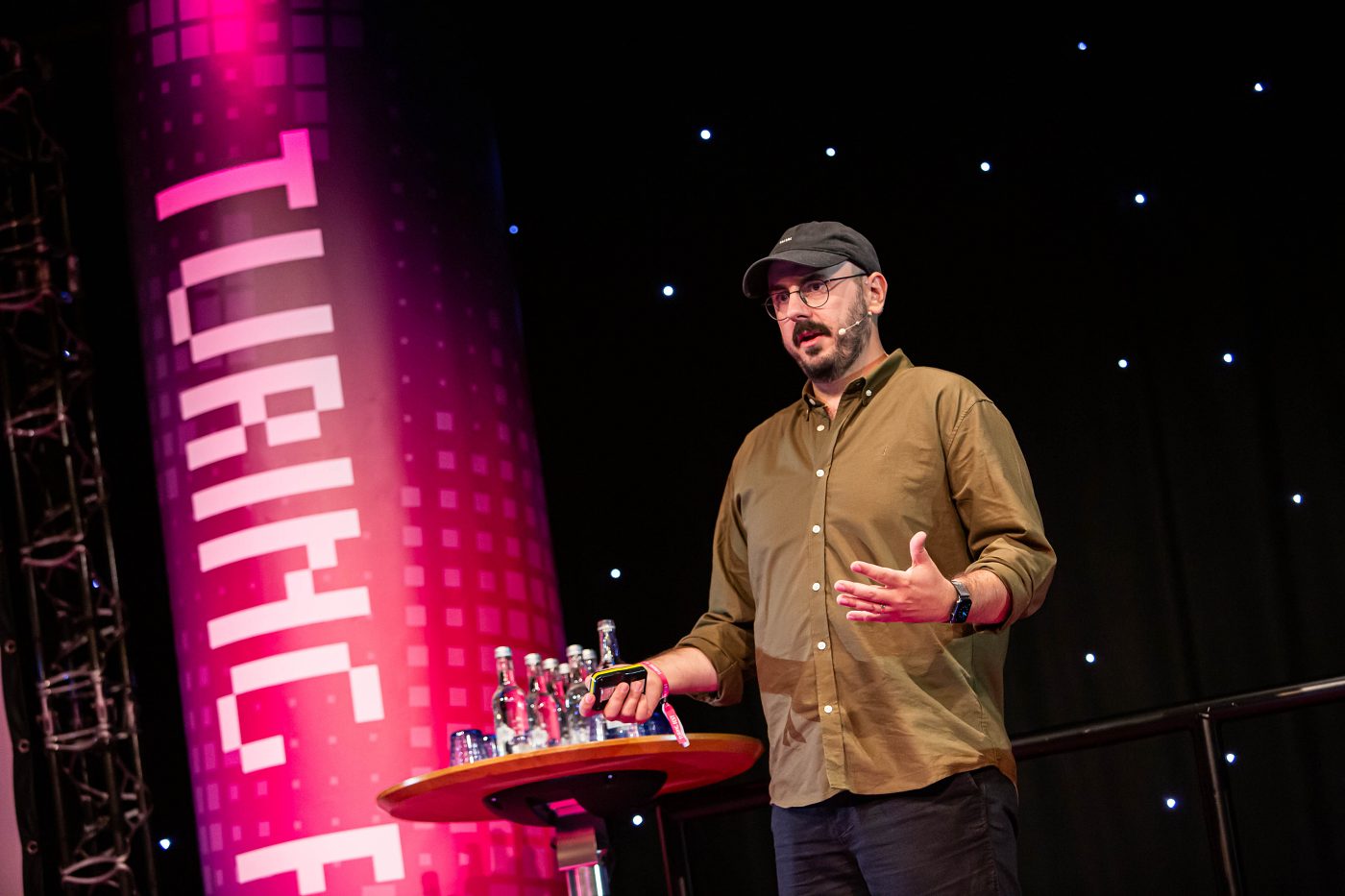
The Search for Meaning
Pete has always been driven by a search for meaning, often questioning the purpose behind what he builds.
"I can create something cool for a while, but then I ask, why does this matter?"
Alongside his work, his connection to his environment began to shift. Living next to a forest, he set up trail cameras to see what wildlife passed through his garden. What started as curiosity quickly became something deeper. Spotting foxes, deer, and hedgehogs changed how he and his wife treated their space.
They began to adapt to the rhythms of the animals around them, leaving trees, fences, and wild areas undisturbed. Technology had made that awareness possible.
But the tools themselves felt inaccessible and out of place, clunky, camouflaged, and designed for a very different audience. For Pete, it highlighted a gap: most people would never experience nature this way.
.png)
The Side Project That Became Real
Pete started simply, building a landing page, creating mockups, and seeing who signed up. The response was immediate. People had been waiting for something like this.
He kept the idea on the side for a while. Then someone asked why he didn't just pursue the camera concept properly. "My first instinct was doubt, thinking it was too niche. But the more I explored it, the more I realised there was something there."
That shift in mindset changed everything. Instead of chasing hyper-growth, Pete focussed on building something smaller, more intentional, a product that felt meaningful.
What Is Behold?
Behold is a wildlife company with a simple belief: "when people see nature, they care about it". The business exists to make that happen, starting in the most overlooked wildlife habitat of all, the suburban garden.
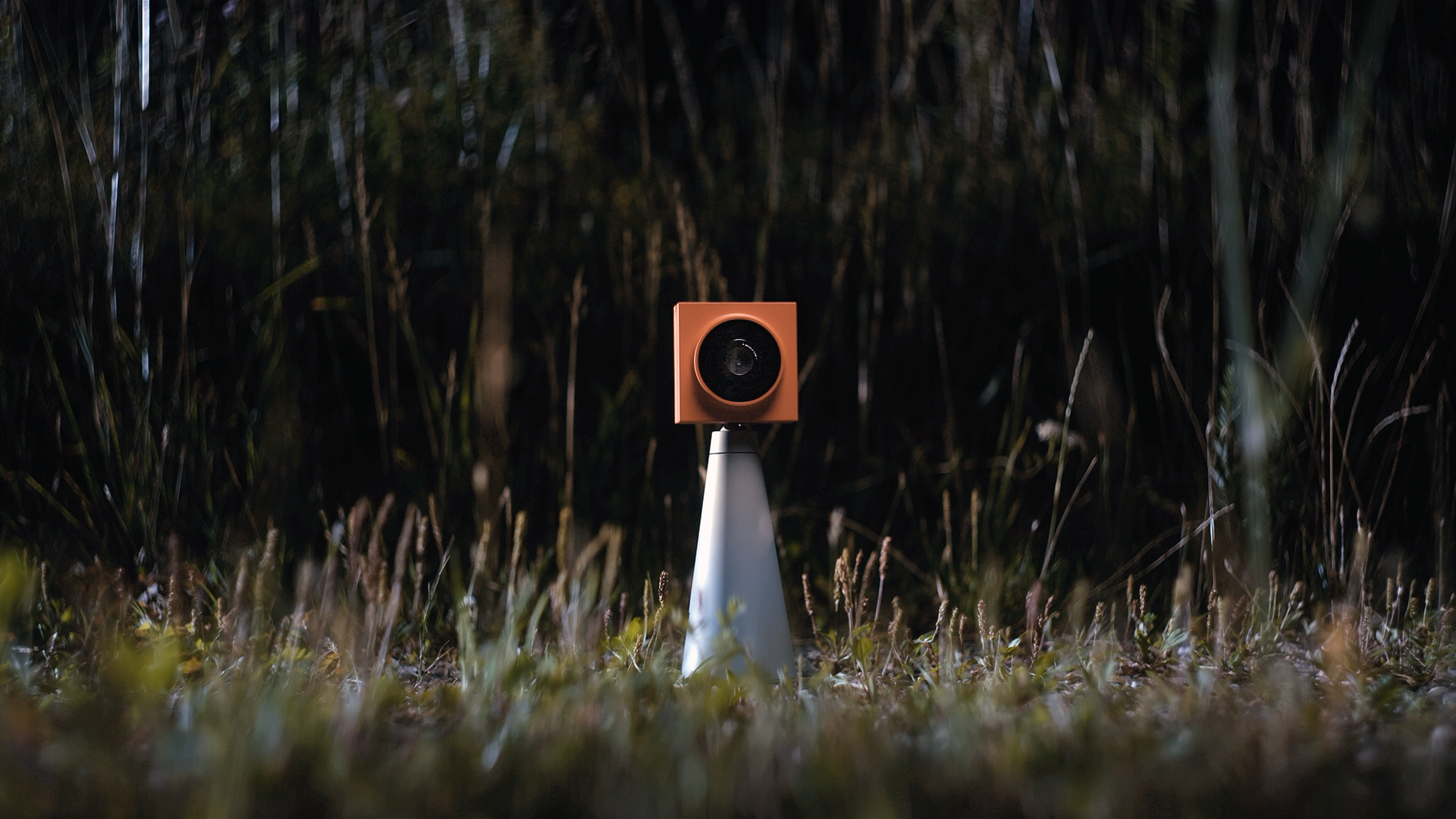
Their first product, Behold Cam-1, is a wildlife camera built for everyday people rather than hunters or hobbyists. It records only animals, automatically filtering out humans on-device, identifies over 2,000 species, and syncs footage to an app that turns clips into something closer to stories than surveillance. Clear video day and night, a 30-day battery, and a design by Pentagram that looks at home in a garden rather than a forest.
The camera raised over £300,000 on Kickstarter, 5x its goal, with shipments planned for October 2026.
But for Pete, the camera is just the beginning. The longer vision is an insight device: a living record of the wildlife sharing your space, the patterns they follow, the behaviours they exhibit. Ecological intelligence made accessible to anyone with a garden and a bit of curiosity.
Finding the Right Co-Founders
Pete knew early he couldn't do it alone. Whilst confident in the design, he lacked experience in funding, manufacturing, and operations. "I knew I wasn't strong on the commercial side, and didn't want to be."
Through Copenhagen's startup community, he met James, a serial founder with deep commercial experience. More importantly, they shared a worldview around impact, business, and nature.
Later, Chris joined as CTO, bringing a strong technical perspective and a deep connection to nature.
Together, they aligned around a simple idea: the format may change, but the mission stays the same, helping people understand nature and change their behaviour towards it.
.png)
Why Not VC Funding?
Behold sits at the intersection of hardware, nature, impact, and Ai, an unusual mix that limits traditional investors. "We chose early on not to pursue venture capital. It didn't align with what we're building."
Instead, Pete and the team focus on family offices and impact funds. They're building a new category: suburban wildlife cameras for everyday people, combining hardware, software, AI, and brand.
The goal is a sustainable business that doesn't rely on constant fundraising.
From Digital to Pysical Product Design
Coming from software, Pete initially thought he needed to master hardware, but quickly realised that wasn't required. "I don't need to become a hardware expert, just enough to stay adjacent, give feedback, and hold the vision."
Much of his design thinking translated, UX, feedback, and feel became materials, buttons, and physical states. The biggest shift was manufacturing. Unlike software, everything becomes real: metal is cast, components are sourced, and "feel" has to be explained in engineering terms.
"I'll say it needs to 'click right,' and they'll ask about tolerances."
Working with Pentagram on industrial design helped bridge the gap. UX felt familiar; manufacturing didn't.
.png)
Where Behold Is Now
Behold launched on Kickstarter in October last year and has since focussed on core engineering, circuit boards, firmware, waterproofing, and component costs.
Hardware moves in stages, unlike software. Each phase has to be validated before scaling from a few units to hundreds per day. The plan is to fulfil Kickstarter orders by the end of this year, with direct sales following next year.
Beyond hardware, the bigger opportunity is software. The camera starts as an observation tool, but the vision is an insight device, showing patterns in wildlife behaviour and turning garden activity into accessible ecological understanding.
.png)
The Mission Beyond the Product
Behold isn't just about selling cameras, it's about shaping how people relate to nature and encouraging better environments for wildlife. "If it's seen, it's cared about. Even knowing there's an animal in your garden can change how you treat that space."
That purpose is embedded in the company's foundation. The goal is to meet people where they are, in homes and gardens, and use small moments of awareness to build long-term connection.
In an increasingly synthetic digital world, there's value in something real: knowing a fox lives in your garden. Pete sees a wider cultural shift already underway, with growing interest in biodiversity, rewilding, and everyday wildlife.
"It's about accepting the world we have, and being excited by it, understanding how we relate to it."
Advice for Designer-Founders
Start by being honest about your motivation, whether you're building to sell or building for purpose. "Neither is right or wrong, but it changes everything: the people you work with, the investors you approach, the path you take." For Pete, Behold is something he wants to build for the long term.
Don't try to be great at everything. Understand what you're good at, what you enjoy, and what drains you. Make space for the work that gives you energy.
Clarity matters. Knowing who you are and what you want, even imperfectly, helps guide every decision. The team remains small, and likely will for some time. Modern tools make it possible to stay lean whilst building complex products.
For Pete, Behold sits at the intersection of design, technology, and nature. It's uncertain and demanding, but deeply meaningful, and that's what makes it worth doing.
About Pete:
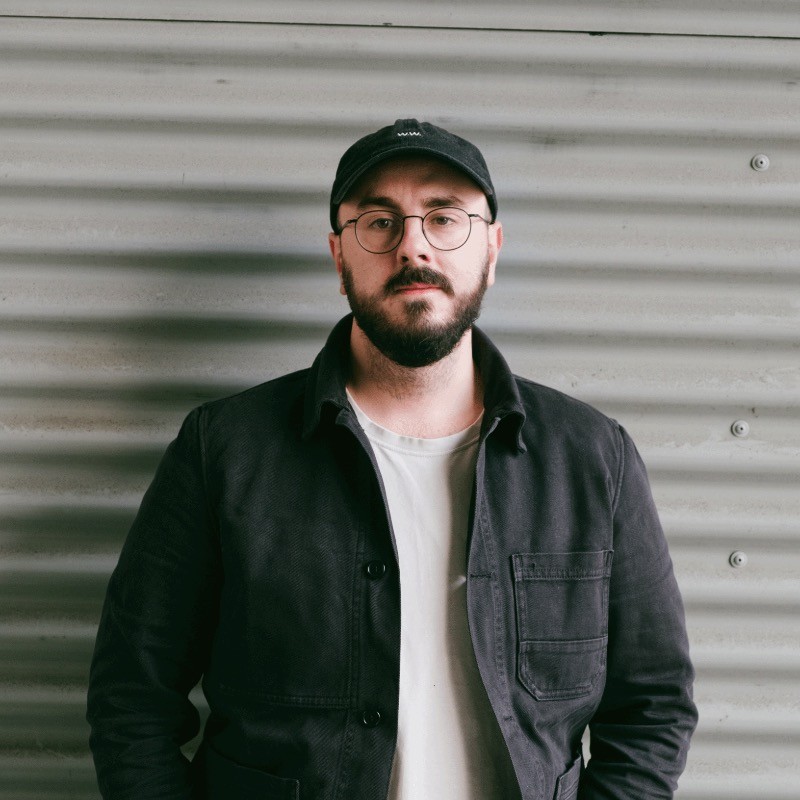
Pete Lacey is co-founder at Behold, a wildlife camera company reconnecting people with nature in their gardens. Previously VP of Design at Pleo, where he led a team of 40 designers through hyper-growth, Pete left the fintech world to build something mission-driven. Originally from High Wycombe, he's now based in Denmark living next to a forest with his wife, two dogs and the wildlife that inspired Behold.
Follow Behold on Instagram or visit their website.