
From Reddit logo gigs, to branding tech's biggest names
An interview with J.D. Reeves, acclaimed independent brand designer
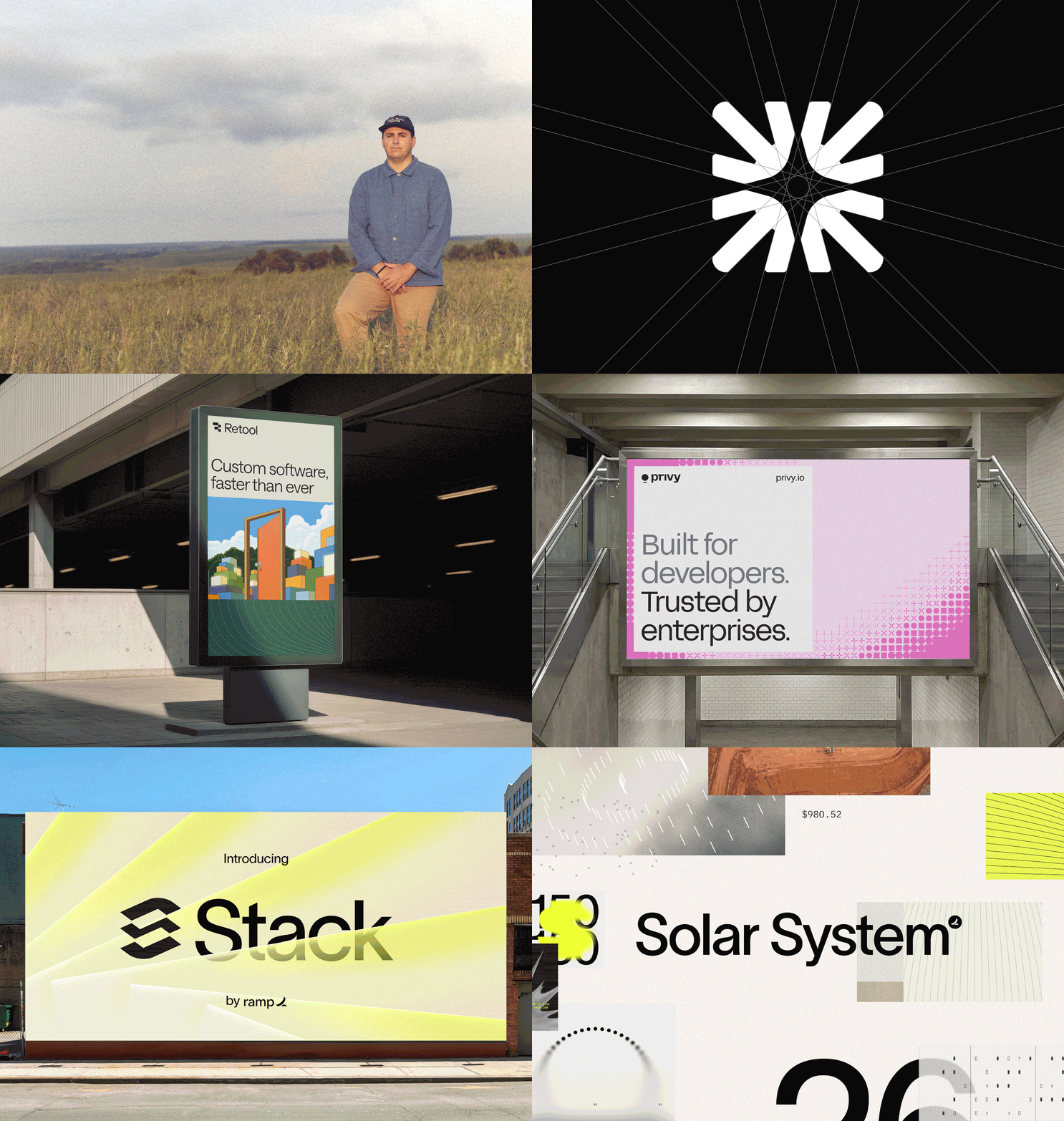
We speak to Oklahoma-based J.D. Reeves, an independent brand designer and all-round super nice guy. His stunning body of work includes designing logos and identities for some of the most recognisable names in tech, including Ramp and Fin.
We learn about what honest progress really looks like in the career of one of tech's best brand designers.
JD generously shares what he's learned along the way, plus some of his favourite tools, foundries and plenty of useful tips sprinkled throughout.
The Early Years
JD grew up in rural Oklahoma in a family that wasn't particularly creative. His first experiments with design came through motocross, recreating magazine covers on the family computer using Microsoft Paint and Word. Interestingly, even in those early days, JD was obsessed with getting the brand identity right, downloading fonts and studying the logos and graphics covering the bikes.
He eventually studied graphic design at Oklahoma Baptist University, but graduated feeling like he'd learned the software without really understanding why good design worked.
So he started teaching himself.
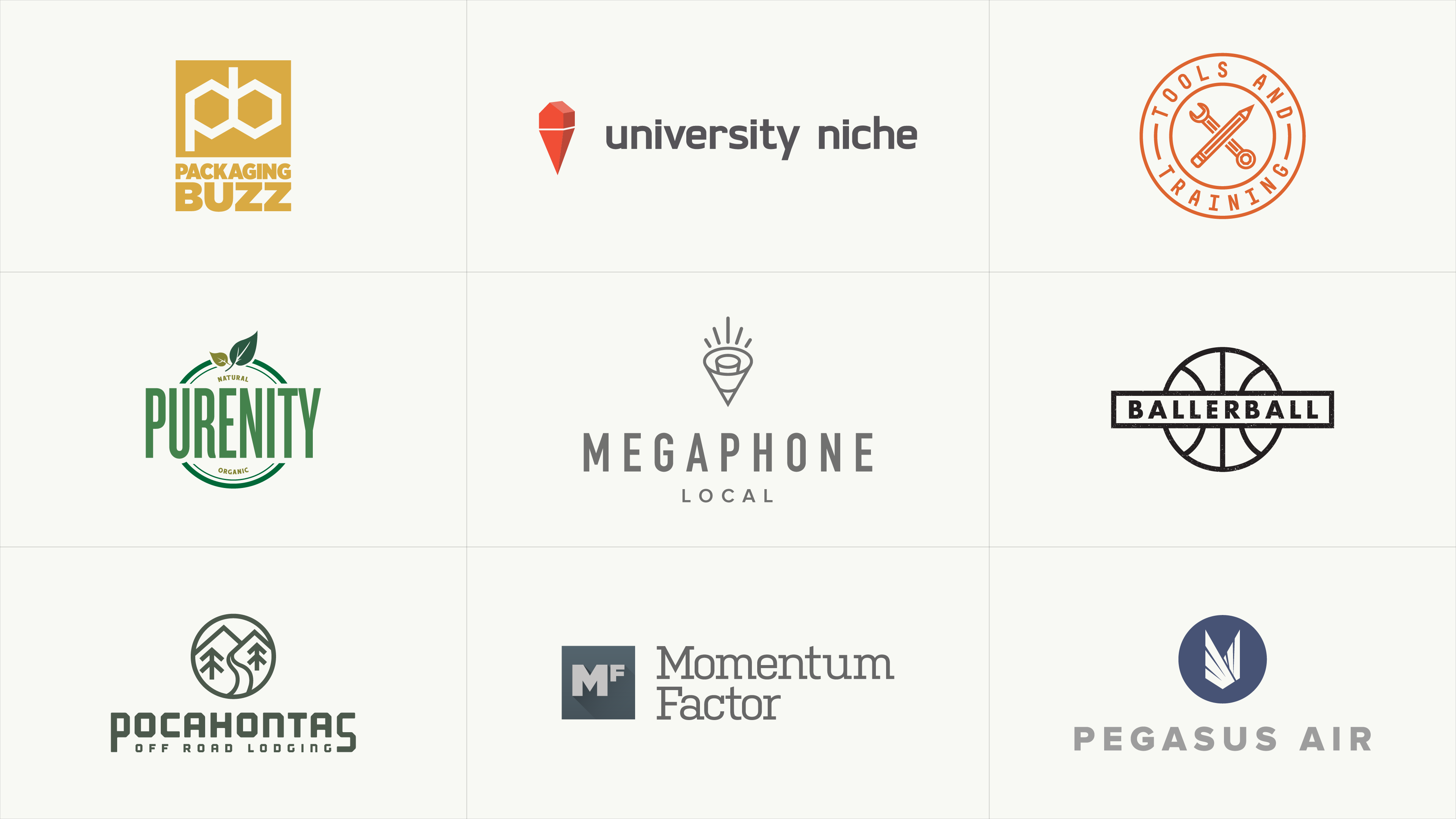
When his wife moved to Madrid for a master's degree, JD freelanced from their apartment to make ends meet, mostly finding logo projects on Reddit for $300 or $400 a time.
“I was really just cranking out logos from jobs on Reddit.”
The work wasn't earth-shattering, but every project forced him to figure something out, and eventually he decided to lean into the thing he was becoming good at. Logos.
Learning the Why Behind Design
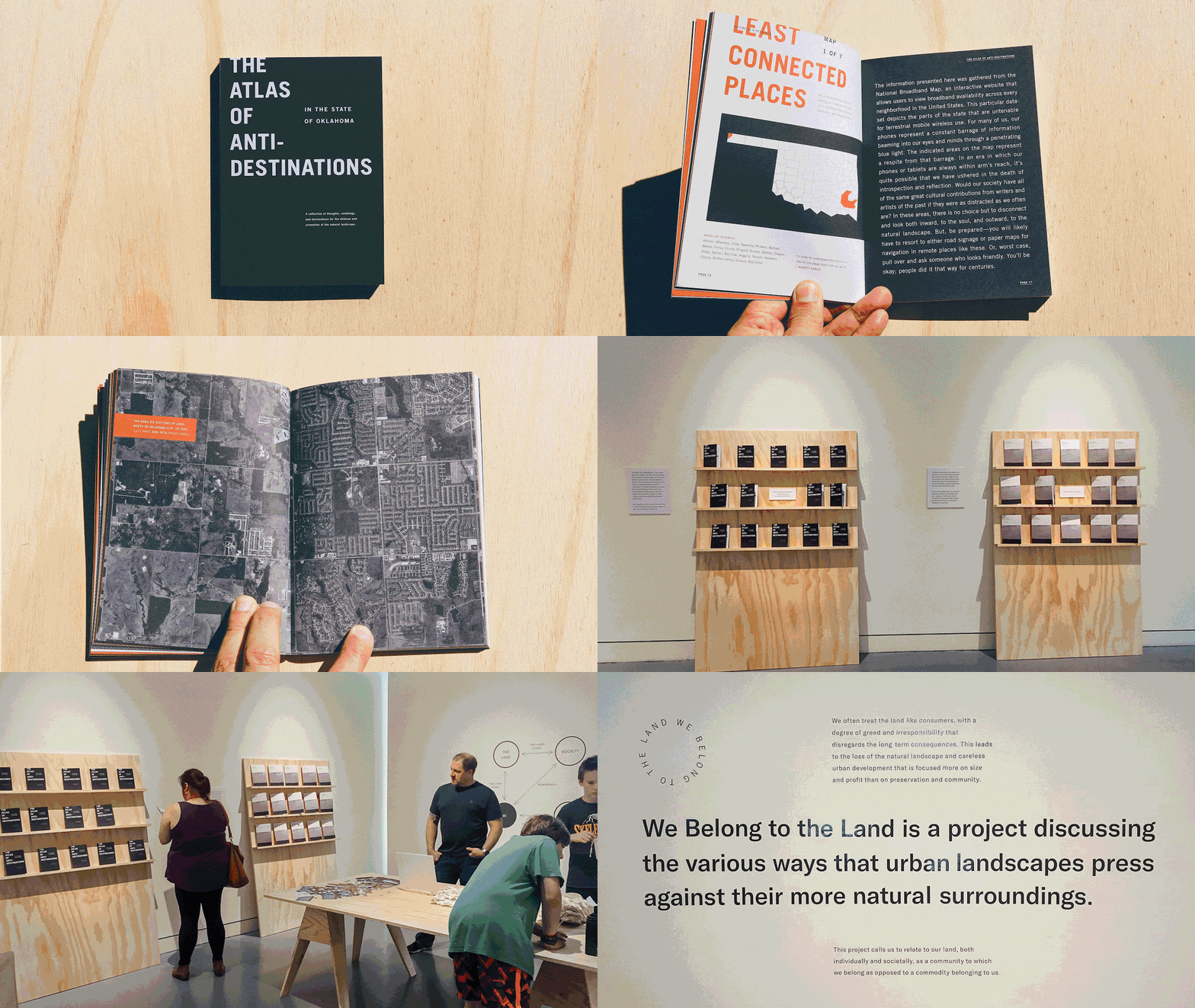
JD later returned to education for an MFA, largely because he felt his undergraduate degree hadn't given him the theoretical grounding he was missing.
It changed the way he worked. He learned to think conceptually, experiment and understand the reasoning behind design decisions rather than simply knowing how to execute them.
Oklahoma designer Scott Hill became an important early influence, helping JD think beyond individual logos and towards identity systems, strategy and the foundations of a brand. Teaching undergraduate students alongside his MFA helped too. He couldn’t simply blag it.
JD doesn't think designers need an MFA. But for him, having the time and space to understand the why behind design changed the trajectory of his career.
Learning to Move Fast
After graduating, JD joined Oklahoma agency Ghost before eventually finding his way into tech.
Freelance work for West Coast agencies introduced him to the idea of the “minimum viable brand”. Early-stage companies needed logos, colour and typography quickly, often before they'd properly figured out their positioning.
That accelerated at venture studio High Alpha, where JD worked as a senior brand designer creating identities for new software companies. A typical brand had a turnaround of around three weeks.
“It taught me to get an idea 75% there, really fast.”
Instead of obsessing over the perfect idea, JD learned to identify something promising and build a world around it. Sometimes moving slowly in pursuit of perfection would actually be a disservice to the company.
An early-stage startup doesn't always need a brand that lasts for 20 years. Sometimes it needs something good enough to get into the world.
Building a Brand From the Inside
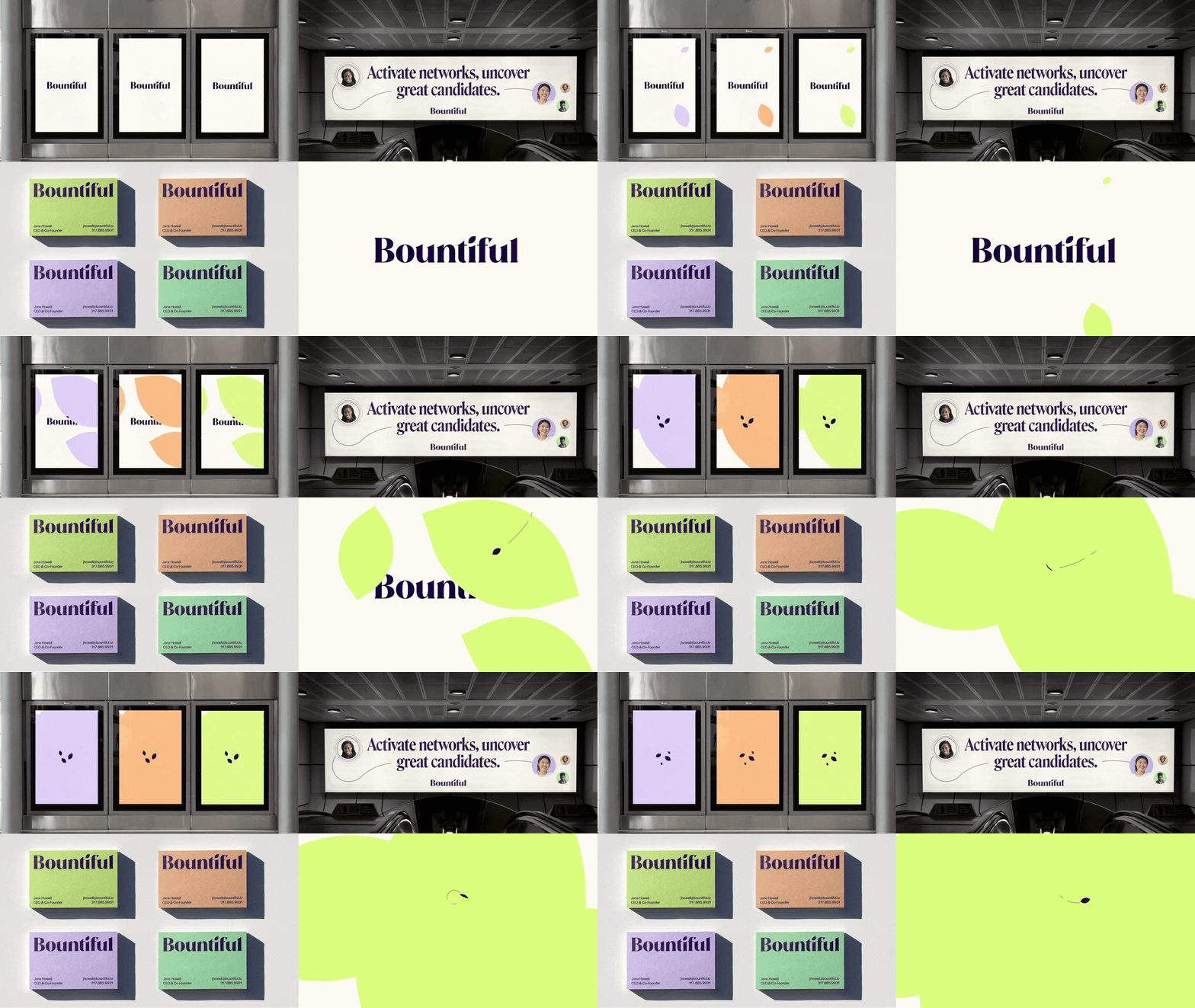
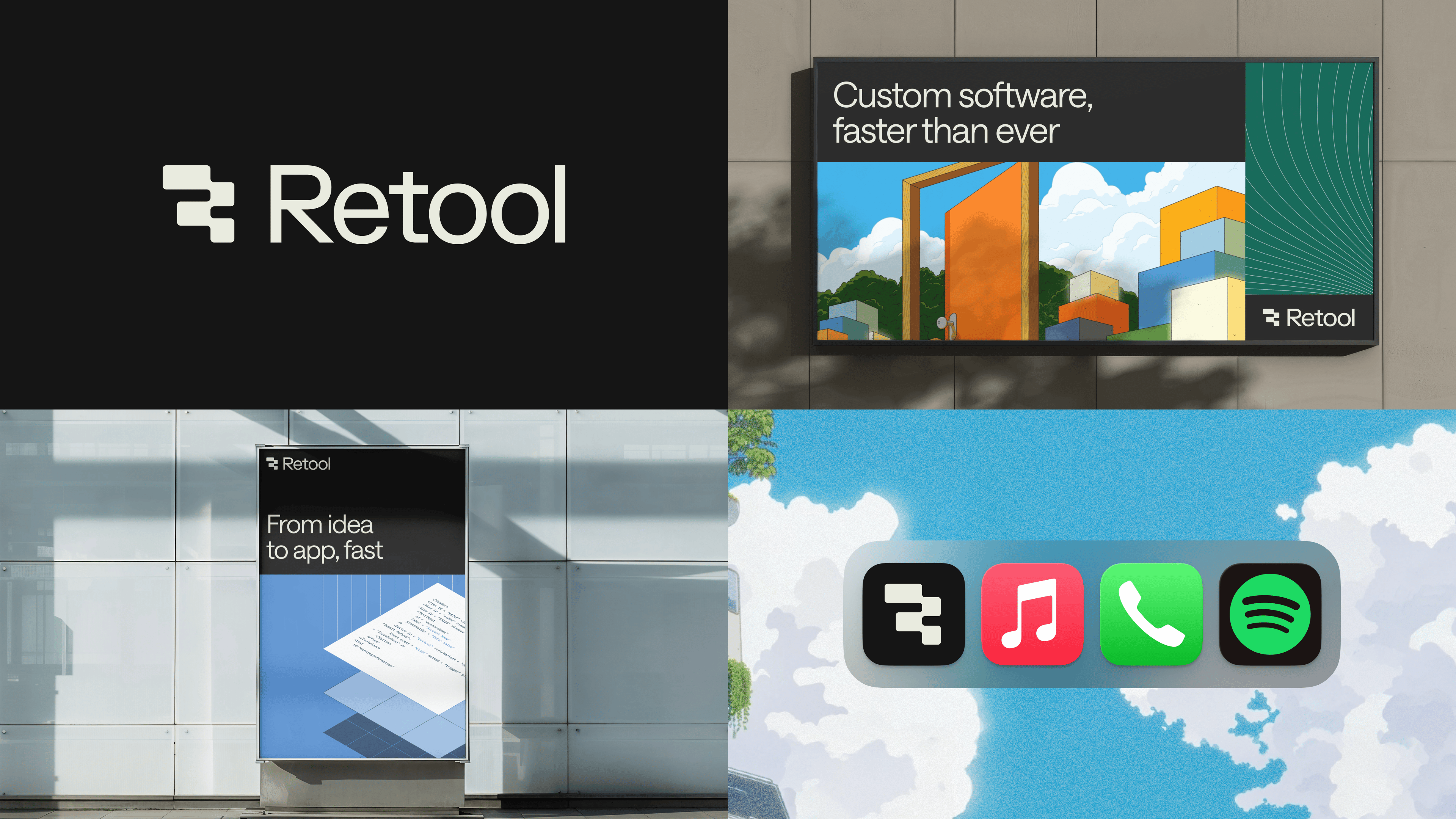
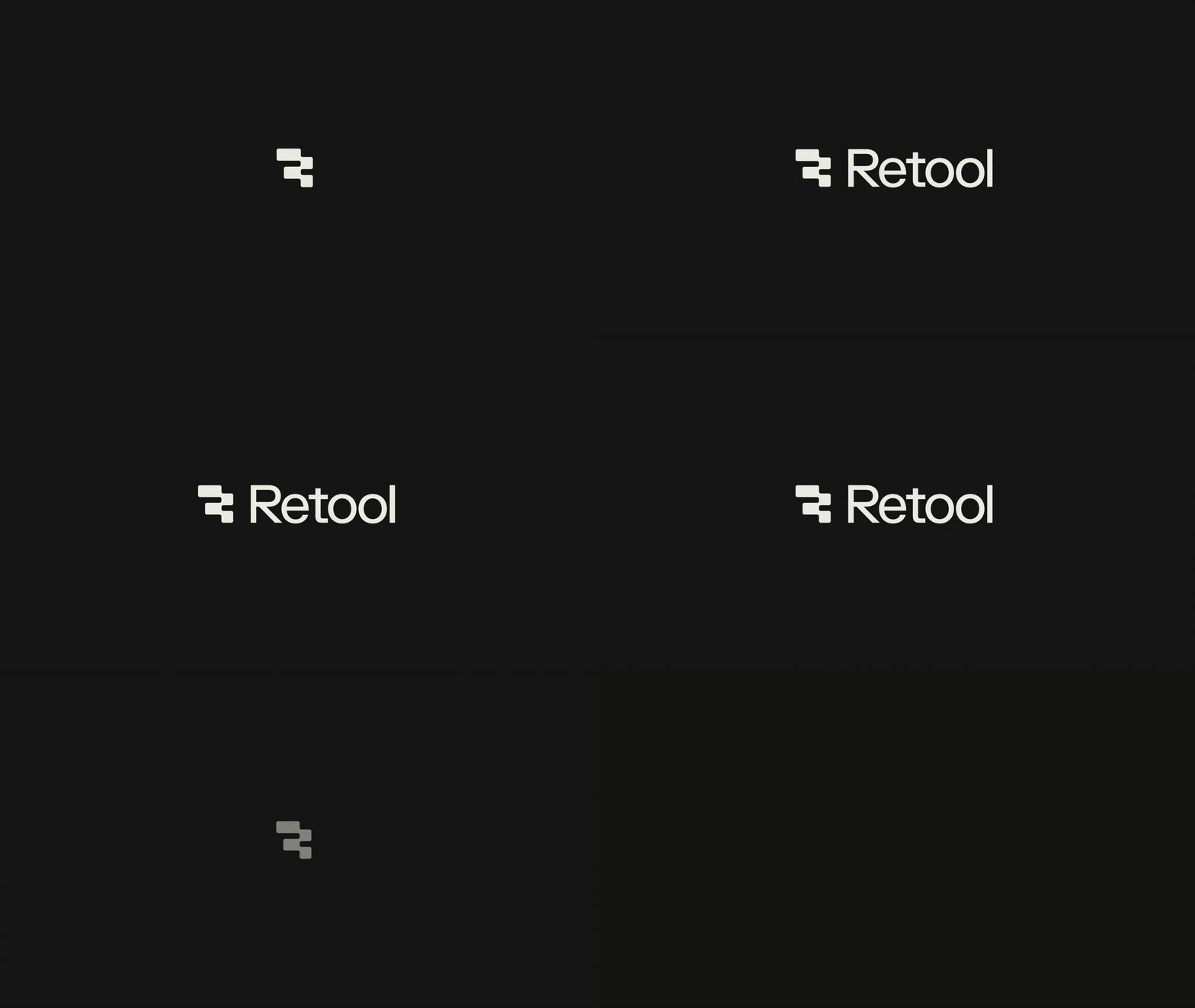
In 2023, JD joined Retool in his first in-house tech role, with the intention of helping rebrand the company.
What was expected to take around six months became a year and a half, and gave him a completely different perspective.
Rather than handing over an identity and moving on, JD could see how a brand actually gets used every day. He saw the tension between changing something and preserving the equity already built into it.
It changed what he thought tech companies needed from a brand designer.
“A tech brand isn't just a logo, typeface and collection of beautiful mockups. It needs to work when someone is showing a product on a homepage, announcing a hire on LinkedIn, launching a feature or creating something quickly internally.”
That experience still shapes the way he approaches client work today.
Why Tech Brands Go Wrong
For JD, one of the biggest problems is that companies often start a rebrand without being completely ready to let go of what they already have.
There's another problem too. Agencies can deliver beautiful brand systems that don't necessarily reflect how modern tech companies actually operate.
“I think a lot of agencies deliver brands that are too small or index on the wrong things for tech companies.”
JD believes brands need different levels of volume. Quiet moments, loud moments and clear guidance around how the identity behaves across the everyday surfaces a company actually uses.
A beautiful billboard mockup is great. Knowing what your product looks like on a homepage might be considerably more useful.
The Fin Opportunity
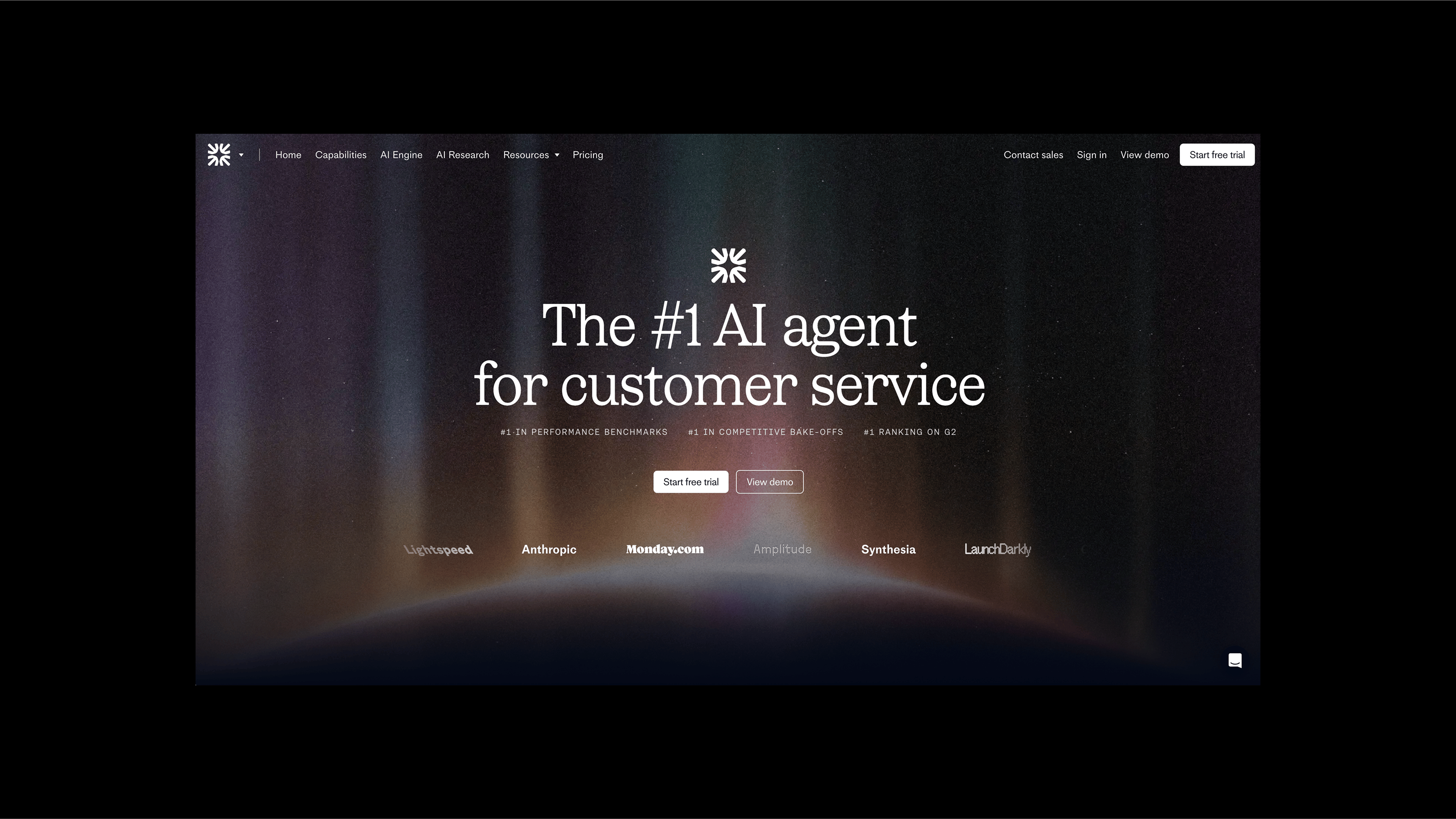
When JD left Retool and went independent, one of his first projects was designing the logo for Fin.
He gave credit to Mike Smith at Smith & Diction (one of JD's favourite studios) for helping him get his foot in the door.
“I was not sleeping during that project because I felt like the opportunity was just immense.”
JD knew that doing good work there could set him up for what came next.
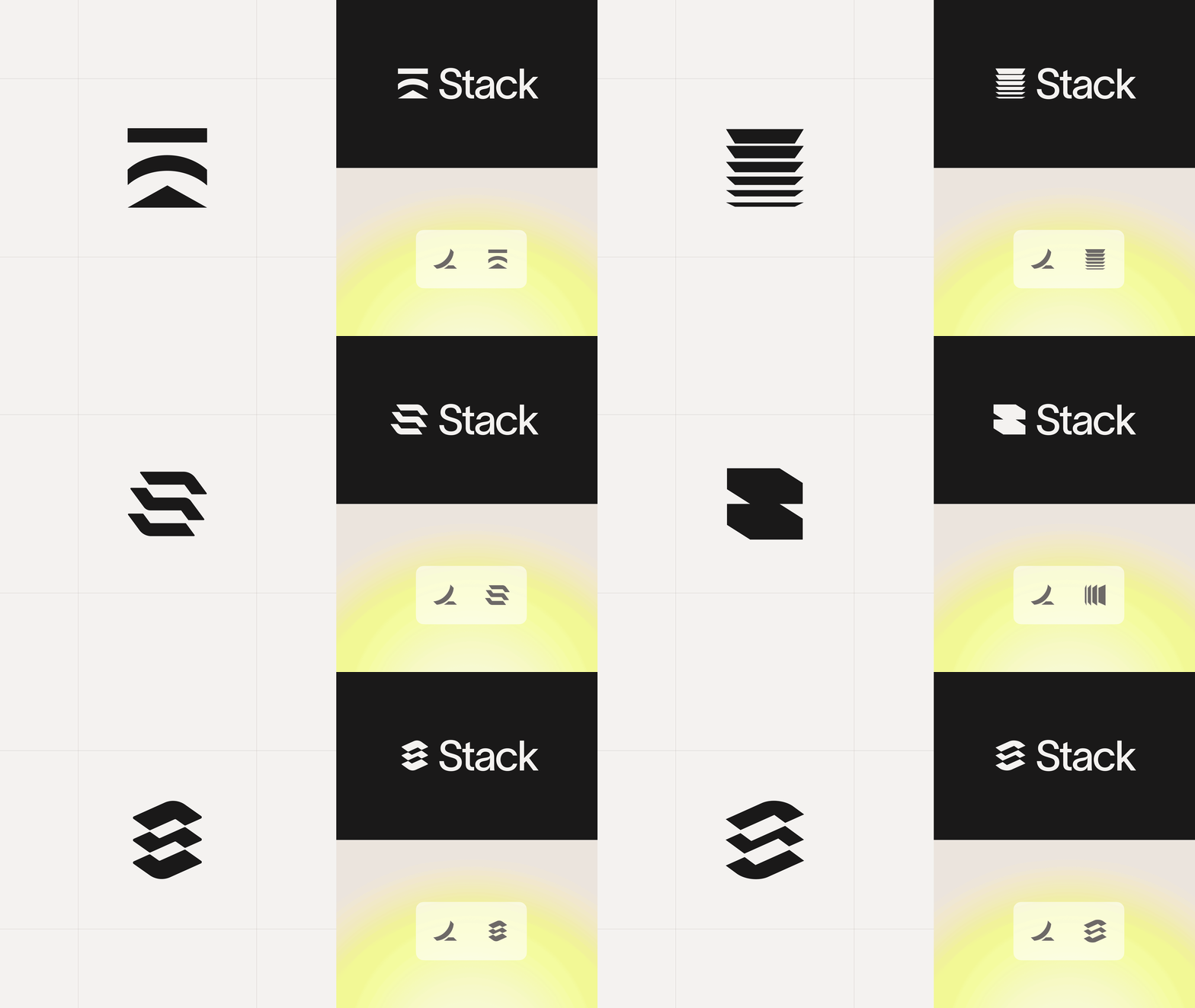
Fortunately, logo design was also the part of the job where he felt most comfortable. After years of developing that particular muscle, he wasn't questioning whether he could make a mark. The challenge was finding the right one.
He kept pushing, even when feedback was fast and everyone around the project was operating at an extraordinary pace.

Just Keep Making
When feedback is unclear or you're unsure what direction to take, JD's instinct is not to sit and think indefinitely.
Make something. Then make something else. Give people something to react to.
“You're not going to strike gold by not panning for gold.”
If the next round misses, at least you've learned something. You've created a new constraint and can course-correct.
Working With Ramp
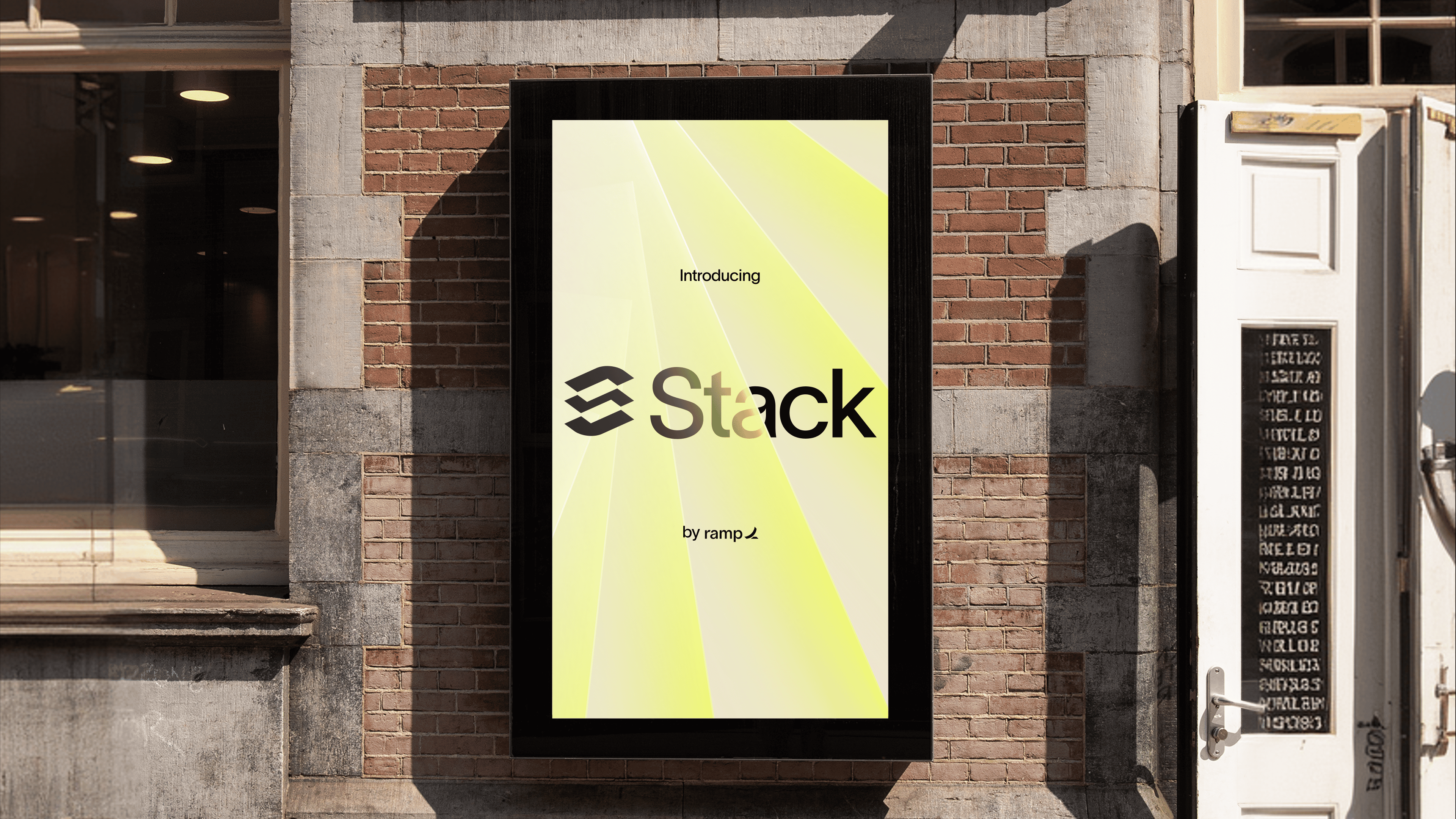
About a year into working independently, JD got the opportunity to work with Ramp, a brand he'd referenced and admired for years.
“I've looked up to that brand forever.”
Paul from Ramp had been following JD's posts and “hot takes” online and reached out about working together.
Rather than changing things for the sake of it, JD wanted to preserve the parts of Ramp's brand that already worked, while pushing it somewhere new.
He also loved being part of a larger team again, seeing other designers take his ideas and push them further.
“It was great to work in a way where people are taking your ideas and expanding on them.”

Ambition Before Ability
Looking back, JD admits his ambition probably outpaced his ability early in his career.
He entered competitions, volunteered, took on projects he wasn't ready for and even cold-emailed founders asking if he could rebrand their companies.
“I had more ambition than I had talent at that time.”
But that forced him to improve. He'd often get to something he thought was finished, call it V1, then ask himself what V4 or V5 might look like.
His advice to younger designers is much the same: take opportunities, work within real constraints and keep making things. You'll figure out what you're good at along the way.
Brand Design in the Age of AI
Despite being at arguably the strongest point of his career so far, JD isn't pretending to have AI sussed out.
“I wouldn't say that I'm navigating anything with confidence at this exact moment in time.”
He sees designers using AI in interesting ways, but also the risk of it becoming a shortcut for weak ideas.
Part of him wishes he'd had these tools when he was studying, but he's also glad he was forced to learn things like photography, coding and motion himself.
For early-stage companies with tight budgets and timelines, though, the benefits are obvious.
JD's Toolkit
JD also shared a few of his favourite tools.
He uses Unicorn Studio for motion and interactive work, Vectoraster for raster and pattern-based treatments, and Mockup Lab for presenting work.
For type, he recommends Displaay, Grilli Type, Kiosk and Smuss, while STK Miso is his personal typeface.
He tends to favour type with enough personality to feel distinctive, but not so much that it quickly feels dated.
What's Next?
JD is still working with Ramp, alongside Owner.com and a handful of earlier-stage companies.
He’s open-minded about what comes next, and eager to take on new and exciting projects in 2027.
From $300 logo gigs found on Reddit to designing for Ramp. JD, we salute you.
About JD

J.D. Reeves is an independent brand designer based in Tulsa, Oklahoma.
His recent work includes Ramp, Fin and Owner.com, with a particular focus on identity, brand systems and helping technology companies build brands that work in the real world.
Follow JD on LinkedIn, Instagram and check out his portfolio.